
Permit-free concealed carry, often referred to as “constitutional carry,” is becoming increasingly common across various states. While this shift allows eligible individuals to carry concealed firearms without obtaining a permit, it does not diminish the critical importance of proper firearm training. Carrying a firearm comes with both privileges and responsibilities, and training plays a vital role in ensuring public safety, personal responsibility, and overall preparedness.
Why Training is Essential
- Safe Handling Practices: Understanding how to properly load, unload, and handle a firearm reduces the likelihood of accidental discharges or injuries.
- Improved Accuracy: Regular practice ensures you can confidently operate your weapon under stress while minimizing risks to bystanders.
- Decision-Making in High-Stakes Situations: Training prepares individuals for real-world scenarios where quick judgment and composure are critical.
Benefits of Structured Training Programs
| Benefit | Why It Matters |
| Legal Knowledge | Learn state-specific laws on self-defense and concealed carry requirements. |
| Scenario-Based Exercises | Simulate potential real-life emergencies to build confidence under pressure. |
| Firearm Maintenance Skills | Teach proper cleaning and upkeep techniques for long-term reliability. |
| Conflict De-Escalation | Focus on avoiding confrontation whenever possible before relying on force. |
Common Misconceptions About Training
- “I learned everything I need from online videos.” While online resources are helpful, they cannot replace hands-on instruction with certified trainers who can correct technique in real time.
- “I’ll figure it out if I ever need to use my weapon.” Under stress, fine motor skills degrade significantly without prior preparation through drills and repetition.
- “My military or law enforcement background is enough.” While such experience is valuable, civilian situations differ greatly from military or law enforcement contexts.
Recommended Areas of Focus for Training
- Marksmanship Fundamentals: Focus on grip, stance, sight alignment, trigger control, and follow-through techniques.
- Situational Awareness: Recognize potential threats early while maintaining awareness of surroundings.
- Drawing from Concealment: Practice drawing safely from holsters worn in different positions (e.g., appendix or strong side).
- Engaging Targets Under Stress: Incorporate time limits into drills to simulate pressured decision-making.
Permit-free laws simplify access but do not absolve carriers from their moral responsibility to prioritize safety through education and practice. A trained individual not only better protects themselves but also contributes positively toward fostering responsible gun culture within their community.
Why Firearm Training Remains Essential for Responsible Concealed Carry
Carrying a firearm concealed comes with immense responsibility, and training plays a crucial role in ensuring safety and competence. While many states have adopted permitless concealed carry laws, often referred to as “constitutional carry,” the absence of a legal requirement for training does not diminish the importance of proper education and practice. Below, we examine why firearm training is indispensable for anyone who chooses to carry.
Understanding Safe Firearm Handling
- Trigger Discipline: Always keep your finger off the trigger until you are ready to shoot.
- Muzzle Awareness: Never point your firearm at anything you do not intend to destroy.
- Loading and Unloading Procedures: Understanding how to safely load, unload, and clear malfunctions is essential.
- Safe Storage Practices: Training covers secure storage methods that prevent unauthorized access while maintaining readiness.
Enhancing Situational Awareness
Firearm training goes beyond simply learning how to shoot. It develops situational awareness, teaching gun owners how to assess their environment for potential threats without escalating conflicts unnecessarily. This skill is vital for making informed decisions in real-world self-defense scenarios.
Legal Implications of Improper Use
- Justifiable use of force
- Places where carrying is prohibited
- Duty-to-inform requirements when interacting with law enforcement
- Consequences of negligent discharge or misuse
A well-trained gun owner is better prepared to act within the law, reducing their risk of legal liabilities.
Building Competence Through Range Practice
- Drawing from concealment under stress
- Engaging multiple targets
- Shooting from unconventional positions
- Reloading efficiently
Consistent range time allows concealed carriers to build muscle memory and confidence, which are invaluable during high-pressure situations.
The Psychological Aspect of Carrying
- How to manage adrenaline during an encounter
- De-escalation techniques when possible
- The moral gravity tied to using deadly force
Training helps prepare individuals emotionally so they can remain calm under pressure while making sound decisions.
A Comparative Look: Trained vs. Untrained Carriers
| Aspect | Trained Carrier | Untrained Carrier |
| Firearm Handling Skills | High awareness of safety protocols | Increased likelihood of negligent discharges |
| Decision-Making | Confident and informed | Hesitant or impulsive |
| Legal Knowledge | Familiar with laws on self-defense | Limited understanding; higher risk of errors |
| Stress Management | Calm under pressure; practiced responses | Prone to panic or poor judgment |
Choosing Training Options
- Basic Handgun Courses: Introduce foundational skills like shooting fundamentals and maintenance.
- Defensive Shooting Classes: Focus on dynamic drills tailored for personal protection scenarios.
- Scenario-Based Simulations: Teach real-life decision-making through interactive drills.
- Advanced Concealed Carry Training: Prepare individuals for complex defensive encounters.
Many instructors also offer private lessons tailored specifically for concealed carry needs, allowing carriers to gain personalized insights into improving their skills.
Investing time in proper firearm education ensures responsible ownership while increasing confidence in one’s ability to protect themselves and others effectively without unnecessary risk.
Why Firearm Training Remains Essential for Responsible Concealed Carry
Carrying a concealed firearm comes with significant responsibilities. Even in states with permitless carry laws, proper training is vital to ensure public safety and responsible firearm usage. A lack of education and preparation can lead to potentially dangerous situations that could otherwise be avoided. Here, we explore why firearm training is indispensable for anyone considering concealed carry.
The Fundamentals of Safe Firearm Handling
- Treat every firearm as if it is loaded
Even when you believe a gun is unloaded, always handle it with caution. This habit minimizes the risk of accidental injury. - Keep your finger off the trigger until ready to fire
Placing your finger on the trigger prematurely can lead to unintentional discharges, especially under stress. - Never point a firearm at anything you are not willing to destroy
Always be mindful of where the barrel is aimed and avoid pointing it at people or objects that should not be harmed. - Be aware of your target and what’s beyond it
Bullets can travel through targets or miss them entirely. Knowing what lies behind your intended target helps reduce collateral damage.
Enhancing Defensive Skills
- Defensive shooting techniques: Learning how to draw from concealment quickly and accurately.
- Scenario-based training: Simulated real-world situations help individuals learn decision-making under duress.
- Stress management: Understanding how adrenaline impacts performance and learning how to stay calm in life-threatening circumstances.
These skills are critical when facing an active threat, allowing responsible carriers to act efficiently while minimizing risks to bystanders.
Legal Knowledge Is Key
| Topic | Importance |
| Use-of-force laws | Determines when lethal force is legally justified |
| Restricted areas | Identifies locations where firearms cannot legally be carried |
| Duty-to-retreat rules | Clarifies whether retreat is required before using force |
| Safe storage practices | Ensures firearms are secured when not being carried |
Reducing Accidental Injuries
The lack of experience with firearms often leads to accidental injuries among gun owners and their families. Training reduces these risks by teaching individuals how to handle guns safely both during daily carry and while cleaning or storing them at home.
Building Confidence and Responsibility
Confidence plays an essential role in carrying a concealed weapon responsibly. Knowing that you have the skills, knowledge, and preparation needed for different scenarios promotes safer behavior as well as better decision-making under pressure.
Firearm training instills this confidence by allowing individuals to practice regularly under professional guidance, ensuring they understand their limitations while improving their capabilities over time.
Responsible concealed carry goes far beyond merely owning a firearm; it demands ongoing education, preparation, and commitment. Through comprehensive training programs focused on safety protocols, defensive tactics, legal knowledge, and personal responsibility, individuals can become more capable stewards of their Second Amendment rights while protecting themselves—and those around them—in a lawful and ethical manner.

Why Firearm Training Remains Essential for Responsible Concealed Carry
Carrying a concealed firearm is a significant responsibility that requires more than just possessing the legal right to do so. While laws in many regions have shifted toward permitless or “constitutional” carry, the importance of proper firearm training cannot be overstated. Being a responsible gun owner means not only understanding how to use your firearm but also knowing when and under what circumstances it is appropriate to do so.
Why Training Matters
- Improved accuracy: Effective training helps gun owners develop their shooting technique, ensuring they hit their intended target while minimizing potential collateral damage.
- Decision-making skills: A quality course covers real-world scenarios, teaching participants when it’s appropriate to draw their weapon and how to assess threats responsibly.
- Legal knowledge: Firearm instructors often provide insights into local, state, and federal laws that govern self-defense and concealed carry practices.
- Safe handling habits: Training ensures proper handling techniques are ingrained, reducing the risk of negligent discharges or unsafe behaviors.
Skills Every Concealed Carrier Should Master
- Drawing from concealment: This involves practicing smooth, quick draws without compromising safety.
- Target identification and situational awareness: Identifying threats accurately and understanding your surroundings can prevent tragic mistakes.
- Weapon retention: Knowing how to maintain control of your firearm during physical altercations is critical for personal safety.
- Stress management during self-defense scenarios: High-pressure situations can impair judgment; training provides strategies for staying calm under duress.
The Case for Continuing Education
| Course Type | Focus Area |
| Defensive Shooting | Engaging threats efficiently in real-world environments |
| Low-Light Shooting | Operating firearms in low-light or no-light conditions |
| Force-on-Force Training | Simulating realistic self-defense encounters |
| Tactical Reloading | Reloading under pressure while maintaining situational awareness |
Legal Implications of Insufficient Training
Lack of proper training can lead to severe consequences—both legally and ethically—for gun owners who act irresponsibly with their weapon. Situations where insufficient knowledge leads to unintended harm could result in criminal charges or civil lawsuits.
Moreover, many states require evidence of competency when defending the use of force in court cases. Demonstrating that you’ve undergone proper firearms education may strengthen your defense by showing a commitment to responsible ownership.
Final Thoughts on Training Responsibility
The decision to carry a concealed weapon for personal protection carries inherent duties that extend far beyond individual rights granted by law. Responsible gun ownership demands continuous education, practice, and respect for both safety principles and legal boundaries.
Investing in high-quality firearm training not only enhances personal safety but also helps foster public confidence in lawful gun ownership practices—a critical consideration amidst ongoing national discussions surrounding firearms policy.
Exploring the Responsibilities of Carrying a Firearm for Personal Protection
Carrying a firearm for personal protection is not only a significant responsibility but also one that requires careful consideration and preparation. Those who choose to carry must understand that their actions have legal, moral, and safety implications. Below, we explore the key responsibilities associated with carrying a firearm for personal defense.
Legal Responsibilities
- Compliance with Laws
Gun owners must familiarize themselves with federal, state, and local regulations related to concealed carry. Laws can vary widely depending on jurisdiction, including: - Permit requirements (if applicable)
- Restrictions on where firearms can be carried (e.g., schools, government buildings)
- Castle doctrine or stand-your-ground laws
- Use-of-Force Laws
Understanding when the use of deadly force is legally justified is critical. Most states require that: - A genuine threat to life or severe bodily harm exists before using a firearm defensively
- The level of force used aligns with the threat presented
- Knowledge of Reciprocity Agreements
If traveling across state lines, carriers need to understand reciprocity agreements between states regarding concealed carry permits.
Moral and Ethical Considerations
- Avoid Escalation: Responsible carriers should seek to defuse potentially volatile situations rather than engage in confrontations unnecessarily.
- Protection vs. Retaliation: A firearm should only be viewed as a defensive tool—not as an instrument of retaliation or aggression.
Those carrying should reflect on their readiness to handle situations where split-second decisions may have life-altering consequences.
Practical Responsibilities
- Proper Training and Skill Maintenance
Regular practice is necessary to ensure safe handling and accurate shooting under pressure. Essential training topics include: - Drawing from concealment safely
- Target identification
- Situational awareness practices
- Safe Handling at All Times
Following universal firearm safety rules minimizes the risk of accidents:
| Rule | Explanation |
| Treat every gun as loaded | Always assume a firearm is live until confirmed |
| Keep your finger off the trigger until ready to shoot | Prevent negligent discharges by maintaining trigger discipline |
| Never point it at anything you don’t intend to destroy | Avoid injuries by keeping the muzzle pointed in a safe direction |
- Secure Storage Solutions
When not carrying, firearms must be stored securely at home or in vehicles using gun safes or lockboxes designed for quick access but controlled use.
Mental Preparedness
- Being prepared for high-pressure scenarios without panicking.
- Understanding the potential emotional toll of using lethal force.
- Maintaining vigilance while avoiding paranoia during daily activities.
By taking these responsibilities seriously, individuals can ensure they are equipped both mentally and practically for the challenges that come with carrying a concealed weapon responsibly and safely for personal protection purposes.
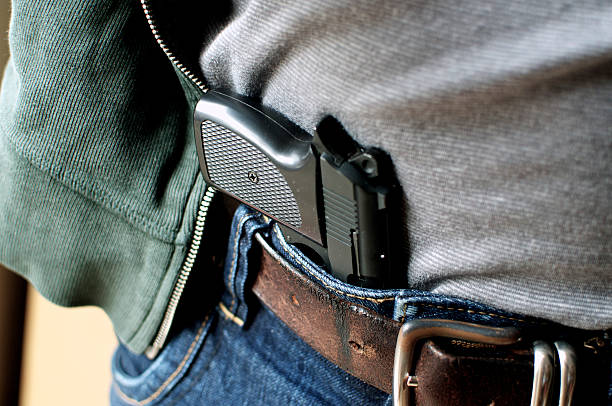
How to Choose the Right Handgun for Your Virginia Concealed Carry Permit
Selecting the right handgun for concealed carry is a critical decision that balances personal preference, practicality, and safety. The firearm you carry should align with your physical capabilities, lifestyle, and situational needs. Below are essential tips to guide you in making an informed choice.
1. Consider Size and Weight
- Subcompact vs Compact vs Full-Size Models: Subcompacts are typically easier to conceal but may have reduced capacity and shorter barrels, affecting accuracy. Compact or mid-size handguns strike a balance between size and performance.
- Weight Considerations: Heavier guns often handle recoil better but can be uncomfortable during extended carry periods. Lightweight options may be easier to carry but could lead to increased felt recoil.
| Type | Typical Barrel Length | Pros | Cons |
| Subcompact | 3 inches or less | Easy to conceal | Reduced grip size, less accurate |
| Compact | 3–4 inches | Balanced design | Slightly harder to conceal |
| Full-size | 4–5 inches | Better accuracy, higher capacity | Difficult to conceal |
2. Focus on Ergonomics
- Grip Size: Ensure the grip allows you to maintain a firm hold without straining your fingers.
- Controls Layout: Look for easily reachable controls such as safeties, magazine releases, and slide locks.
- Recoil Management: Larger grips can help improve control under recoil.
Before purchasing, consider visiting a gun shop or range where you can test different models.
3. Prioritize Reliability
- Research reviews from reputable sources.
- Opt for well-known manufacturers with proven track records (e.g., Glock, Sig Sauer, Smith & Wesson).
- Test fire your purchase extensively at the range using both practice ammunition and defensive rounds.
4. Chambering Options
- Popular calibers include 9mm, .380 ACP, and .45 ACP.
- 9mm: Widely regarded as an excellent choice due to manageable recoil and affordability.
- .380 ACP: Ideal for smaller firearms but offers reduced power compared to larger calibers.
- .45 ACP: Known for its stopping power but produces greater recoil.
Evaluate your tolerance for recoil while also considering ammunition costs.
5. Holster Compatibility
- Look into Inside-the-Waistband (IWB) holsters or Outside-the-Waistband (OWB) options depending on your preference.
- Verify that holsters provide proper retention while allowing quick access.
A poorly fitting holster not only affects comfort but may compromise safety as well.
Final Thoughts on Choosing Your Handgun
Choosing the right handgun is not just about technical specifications—it must suit your unique needs while meeting high standards of performance and reliability. Take the time to research thoroughly, try multiple models if possible, and invest in professional training post-purchase to maximize safety and effectiveness in carrying responsibly.
Essential Tips for Choosing the Right Handgun for Concealed Carry Virginia
Selecting the ideal handgun for concealed carry is a personal yet critical decision that directly impacts your safety, comfort, and effectiveness. With numerous options available, it’s essential to evaluate key factors before making this choice. Below are actionable tips to guide you in selecting a handgun for concealed carry purposes.
Consider Size and Weight
The size and weight of a handgun play an important role in comfort and concealability. Choosing a firearm that is easy to conceal while being comfortable enough for daily carry is crucial.
- Compact and Subcompact Models: These are often preferred due to their smaller dimensions and lighter weights. Examples include Glock 43, Smith & Wesson M&P Shield, or Sig Sauer P365.
- Weight Matters: A lightweight polymer-framed pistol may be easier to carry for extended periods, but heavier steel-framed models might be more comfortable when shooting due to reduced recoil.
| Handgun Model | Weight (Unloaded) | Barrel Length | Ideal For |
| Glock 19 | 23.63 oz | 4 inches | Versatile use |
| Sig Sauer P365 | 17.8 oz | 3.1 inches | Everyday carry |
| Smith & Wesson Shield | 20.8 oz | 3.1 inches | Concealed carry |
Ergonomics and Comfort
A good concealed carry handgun should feel natural in your hand while allowing you to maintain control during operation.
- Grip Size: Make sure the grip fits your hand comfortably without feeling too large or too small.
- Trigger Reach: Ensure that your finger can rest naturally on the trigger without strain.
- Controls Accessibility: Check if safety mechanisms, slide releases, and magazine releases are easy to operate with your dominant hand.
Caliber Selection
Choosing an appropriate caliber involves balancing stopping power with manageable recoil.
- Popular Choices: The most common calibers for concealed carry include .380 ACP, 9mm Luger, and .45 ACP.
- 9mm Luger: Offers a balance between manageable recoil and sufficient stopping power.
- .380 ACP: Ideal for smaller firearms but may provide less stopping power compared to larger calibers.
- Avoid calibers that are difficult to control as they can hinder accuracy during high-stress situations.
Reliability Is Non-Negotiable
Reliability should never be compromised when choosing a concealed carry firearm. A malfunction during self-defense could have life-altering consequences.
- Look for brands known for dependability such as Glock, Sig Sauer, or Springfield Armory.
- Conduct thorough testing of any firearm before committing by running various types of ammunition through it at the range.
Holster Compatibility
A well-fitting holster ensures safe operation while improving comfort during concealed carry.
- Ensure holsters are specifically designed for your chosen handgun model.
- Choose holsters with proper retention mechanisms to prevent accidental dislodging.
- Test different styles (IWB – Inside Waistband; OWB – Outside Waistband) based on personal preference and wardrobe compatibility.
Test Before You Buy
Whenever possible, test prospective handguns at a shooting range before purchasing them. Many ranges offer rental services allowing you to assess handling characteristics firsthand.
By evaluating these factors carefully—size, ergonomics, caliber performance—and prioritizing reliability alongside proper holster selection, you’ll be better equipped to make an informed choice tailored specifically toward safe concealed carry practices.
- What Are Concealed Carry Classes and Their Importance for Responsible Gun Owners
- How to Obtain a Virginia Concealed Carry Permit and Understand Legal Requirements
- Essential Information About Concealed Carry Classes in Washington DC for Gun Owners
- The Critical Importance of Concealed Carry Classes in Washington DC
- Key Updates and Changes to Know About the Virginia Concealed Carry Permit in 2025
- Understanding the Importance of a Virginia Concealed Carry Permit